Atomic Habits Gets Meaner When You Work Alone
/No manager is coming to notice you skipped a day. The four laws of habit change, run through a one-man shop where the boss and the labor are the same guy.
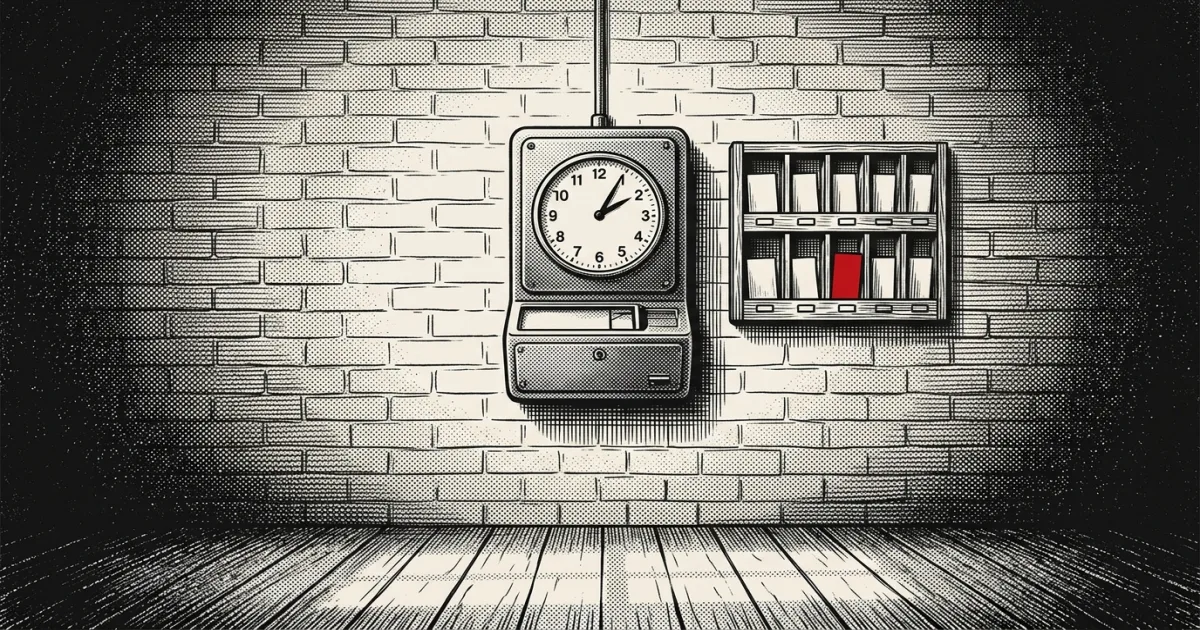
TL;DR: Clear’s four laws are obvious, attractive, easy, satisfying. In a one-man shop they’re the only supervision on the payroll, and the thing they have to catch is the work that dies at ninety percent.
There’s a folder on this drive full of work that got to ninety percent and stopped. Files built, listing never written. Drafts with the sources pulled and nothing sitting on top of them.
No manager walked past to notice. No coworker waited on the handoff, no client called, no building schedule dragged me anywhere at a set hour, and the whole apparatus that used to make me finish things got replaced by one man in a room deciding, hour by hour, whether he felt like it.
Most days I didn’t.
Every guru selling the solo life leaves out that the structure walks out the door with the boss. That omission is a fucking sales tactic.
Clear’s book keeps coming back off the shelf because he treats behavior as plumbing. The self-improvement racket treats it as a character defect, and I’ve had my fill of character defects.
Four laws, one operator, no witnesses
Obvious is physical. The draft is open on the screen when I sit down, or the version of me holding the coffee cup gets a vote, and he votes no every time.
The trigger has to hang off something the body already does without permission. Coffee happens whether I approve it or not, so the draft hangs off coffee. Publication happens, so the board update hangs off publication.
Friday afternoon comes for me regardless, so Monday’s source gets picked before the machine closes.
Attractive is a bribe you don’t apologize for. Formatting gets the records I’d be embarrassed to name out loud. Research gets the good chair.
Easy means cutting the startup cost down to something a tired man can pay, so keep the template ready, put the source links on the card before you need them, and split drafting from formatting so the two jobs quit chewing on each other. Make the first action small enough to begin while your brain is filing objections. It’s the same trick as writing short, and the same one sitting under the smallest thing that sells.
The satisfying part is the receipt. Published links and closed cards give the work a body you can point at later, when your memory starts lying to you about how the month went.
None of it is inspiring and it ain’t supposed to be. You build a jig so the cut comes out square when your hands are shaking, and my hands shake plenty.
A goal can’t enforce a handoff against itself
“Publish weekly” has never once located a source, protected the drafting hour, generated the art, checked a link, or moved a file to the server. It’s a wish with a calendar stapled to it.
In a shop of one the same guy sets the target, does the labor, grades the result, and moves the deadline when the grade comes back ugly. Ambition can’t fire him. It takes the excuse, says thanks, and that’s the whole damn problem.
A board, a checklist, a Friday ritual: any of them put the agreement outside your skull where you can’t renegotiate it in your sleep. They make the broken promise visible, and that’s the whole service.
I run a card for every piece. When a card sits in the same column three weeks running it’s saying something I already knew and didn’t want said out loud. Keeping the whole operation in your head is the amateur move, and I know because I’ve done it.
Identity makes a fine whip
Clear argues that each action casts a vote for the kind of person you believe you are. He means it kindly.
Run that through a bad month and it turns into a tribunal. Miss a Thursday and the vote count says you were never a writer, which is horseshit, and it’s the specific horseshit that keeps a man off the keyboard for another week.
The identity that survives is procedural and boring: I go back to abandoned work, I keep my sources, and I tell buyers when something’s late instead of hoping they forgot.
“I never miss” dies on the first miss. “I resume” has work left in it on the worst day of your year. The months I spent flogging myself over a missed ship were months where the fix was thirty minutes of file management and a note to a handful of people, payable on any Tuesday, if I hadn’t been busy running a trial.
Decorative ruins in the other room
Ninety percent is the most expensive number in a one-man shop. Nine-tenths of a product is worth exactly shit, and it costs the same to store as a finished one.
Ideas arrive free and drafts pile up, and then I build the files and make the cover and the thing sits there for months looking like furniture nobody sits in.
Build the completion habit around one definition of done, dumb enough to check while tired. A blog draft needs frontmatter, source links, a fact-check flag, and a known next stage.
A product update needs the file, the changelog, the buyer notice, and the archive copy. Miss one of those and the update is a rumor.
The smaller the shop, the more damage the unfinished work does. It occupies memory and pays no rent, and every time I sit down to start something new it charges me a little tax, a question I’d rather not answer.
I can’t work out whether that folder is a habit failure or an honest inventory of how much one man can carry. I’ve built systems for both answers and I don’t know which one I’m running.
Sources
Frequently asked questions
What are the four laws of behavior change?
Clear’s four: make it obvious, make it attractive, make it easy, make it satisfying.
What is the difference between a goal and a system?
A goal names the outcome you want. A system is the repeated set of actions that can produce it, and it’s the half that has to show up on a bad Tuesday.
How should a creator recover after breaking a habit?
Shrink the next action until it’s embarrassing, go back to the trigger you already had, and count the resumption instead of scoring the miss.
Comments are open to members. Sign up free →